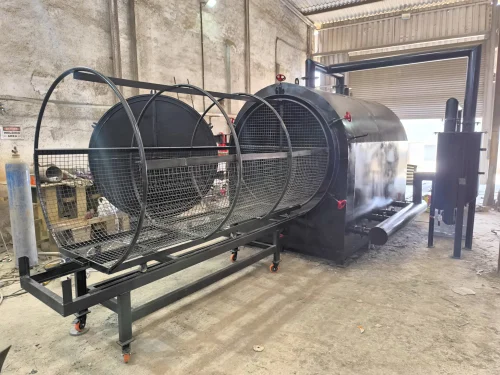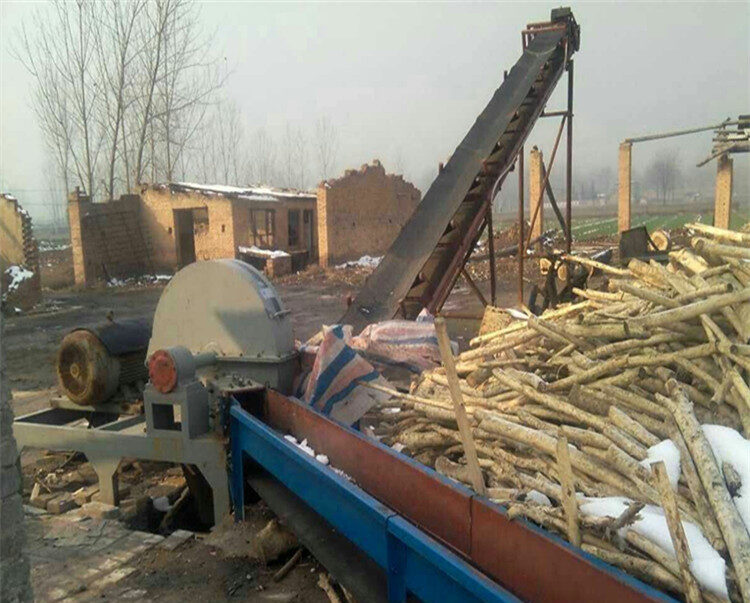
From my years of experience working with foreign investors in the wood processing industry, I’ve seen that the global animal husbandry sector is growing steadily—and with that growth comes a soaring demand for high-quality animal bedding materials. Among all the options out there, wood shavings for animal bedding have become a top choice for livestock, poultry, and equine farmers. Why? Because they’re highly absorbent, comfortable for animals, and cost-effective. If you’re an investor planning to set up a wood shaving production plant targeting this market, picking the right wood shaving machine for animal bedding is make-or-break—it directly affects your product quality, production efficiency, and bottom line.
I’ve tailored this guide specifically for foreign investors looking to break into the animal bedding wood shaving industry. In it, I’ll share my insights on the key factors to consider when choosing a wood shaving machine, compare the performance of different machine types, and address the common concerns I hear most from clients—like raw material selection, production standards, and cost control. By weaving in high-search-volume long-tail keywords and industry trends I’ve gleaned from Google and Bing search results, my goal is to help you make informed decisions and gain a competitive edge in this market.

1. Why Invest in Wood Shaving Production for Animal Bedding?
Before you start evaluating machine options, I firmly believe you need to understand the market potential of wood shavings for animal bedding. From the industry reports I’ve analyzed, the global animal bedding market is set to grow at a CAGR of 5.2% from 2024 to 2030. What’s driving this growth? Mostly increasing concerns about animal welfare standards and the expansion of large-scale livestock farming. In my opinion, wood shavings stand out because they offer unique advantages that make them irreplaceable in many farming scenarios:
- Superior Absorbency: I’ve found that kiln dried wood shavings for animal bedding are far more effective than traditional materials like straw or hay. They can absorb moisture up to 3-4 times their weight, which keeps animal stalls dry and significantly reduces the risk of bacterial growth—something farmers really value.
- Cost-Effectiveness: One of the biggest draws for investors, in my experience, is that wood shavings are made from readily available wood waste for animal bedding—things like branches, stumps, and construction residues. This keeps raw material costs low. And for farmers who buy the shavings, using animal bedding wood shavings means they don’t have to replace bedding as often, which cuts down on labor expenses.
- Animal Welfare Compliance: From what I’ve seen on farms around the world, high-quality wood shavings make a big difference in animal welfare. They provide a soft, comfortable surface that reduces injury risks and improves overall well-being. Plus, they help control ammonia emissions in stalls, creating a healthier living environment for livestock and poultry.
- Versatility: Another advantage I always highlight to clients is that wood shavings work for a wide range of animals—poultry like chickens and ducks, livestock like cattle and pigs, equine like horses, and even laboratory rodents. This broad application scope means your production plant can reach more customers.
For investors, the low entry barrier (compared to other wood processing industries) and stable animal bedding market demand make wood shaving production for animal bedding a really promising business opportunity. Based on my work with successful clients, the key to success is choosing a high-performance wood shaving machine for livestock bedding that can consistently produce high-quality animal bedding wood shavings.
2. Key Requirements for Animal Bedding Wood Shavings
Not all wood shavings are suitable for animal bedding—this is a point I emphasize to every investor I work with. To meet animal bedding market demand and animal bedding quality standards, your products have to meet specific quality criteria. Understanding these requirements will help you pick the right wood shaving machine for animal bedding and optimize your animal bedding production process:
2.1 Particle Size and Shape
The ideal particle size of wood shavings varies depending on the type of animal—something I’ve learned through years of matching clients with the right production setups. Here are the guidelines I usually share:
- Poultry (Broilers, Layers): I recommend fine to medium poultry bedding wood shavings with a particle size of 0.21-1.24 inches. Too large, and you risk abrading chicks; too fine (like sawdust), and you might cause respiratory issues. A dedicated poultry bedding wood shaving machine is the best way to ensure precise particle control here.
- Livestock (Cattle, Pigs): For cattle and pigs, medium to coarse cattle bedding wood shavings or pig bedding wood shavings (1-3 inches) work best. From my experience, these need to be absorbent enough to handle large amounts of urine while still providing adequate cushioning for the animals.
- Equine (Horses): Horse owners tend to prefer coarse, long horse bedding wood shavings (2-4 inches) because they offer better drainage and reduce the risk of hoof infections. In my opinion, pine wood shavings for horse bedding are the most popular choice—they have low dust content and a pleasant aroma. A specialized horse bedding wood shaving machine can produce the exact shavings this market segment demands.
From what I’ve seen, your high efficiency wood shaving machine for animal bedding should let you adjust particle size easily—this way, you can cater to multiple market segments without investing in separate equipment.
2.2 Moisture Content
Moisture content is another critical factor I always talk to clients about—it directly affects the quality and shelf life of animal bedding wood shavings. Based on industry best practices I’ve observed, kiln dried wood shavings for animal bedding with a moisture content of 6.69%-11.49% are optimal. Too much moisture leads to mold growth and ammonia emissions; too little, and you get excessive dust. Some advanced wood shaving machine for animal bedding come with an integrated wood shavings drying function, but if yours doesn’t, you’ll need to pair it with a separate kiln dryer for wood shavings—depending on the moisture level of your raw materials.
2.3 Safety and Purity
Animal bedding wood shavings must be free of toxins, chemicals, and foreign objects—this is non-negotiable for market acceptance. I always advise clients to avoid toxic wood species like cherry or black walnut, as they can harm animals. You also need to ensure there are no nails, staples, or metal debris in the shavings, which could cause injuries. A reliable wood shaving machine for animal bedding, in my opinion, should have built-in wood shavings screening and cleaning mechanisms to guarantee product purity and compliance with animal bedding safety standards.
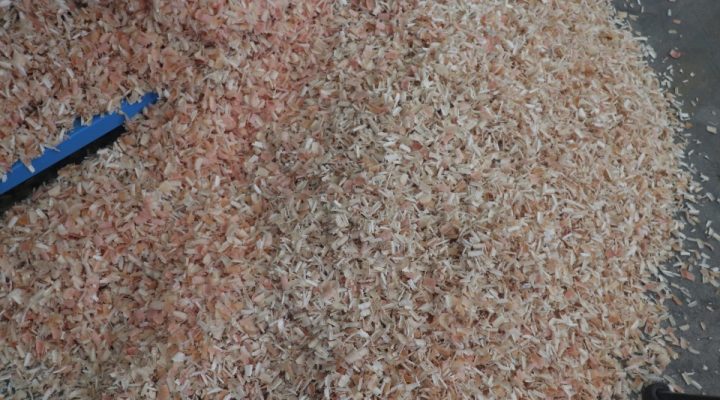
3. Types of Wood Shaving Machines for Animal Bedding: Which Is Right for You?
When it comes to wood shaving machine for animal bedding, two types dominate the market in my experience: disk wood shaving machine for animal bedding and drum wood shaving machine for animal bedding. Each has its own strengths, and the right one for you depends on your wood shaving production scale and animal bedding raw material types. Let me break down the differences to help you decide:
3.1 Disk Wood Shaving Machine
Disk wood shaving machines are what I usually recommend for small to medium-scale production (0.5-15 tons per hour). They work by using a high-speed rotating disk with sharp blades to cut wood into shavings. From my work with startups, here are the key advantages for animal bedding production:
Precise Particle Control: These machines produce uniform animal bedding wood shavings with adjustable sizes—perfect for poultry bedding wood shavings and small livestock bedding wood shavings, which require consistency.
- Low Energy Consumption: A medium-sized disk machine typically needs an 11-37 kW motor, which keeps operating costs down—great for startups watching their budget.
- Easy Maintenance: I always highlight this to new investors: the simple structure makes blade replacement and routine maintenance straightforward, even if you don’t have a lot of technical experience.
Who are these machines best for? In my opinion, startups, small-scale farms, or plants focusing on high-quality poultry bedding wood shavings. A top keyword to keep in mind here is small scale wood shaving machine for poultry bedding.
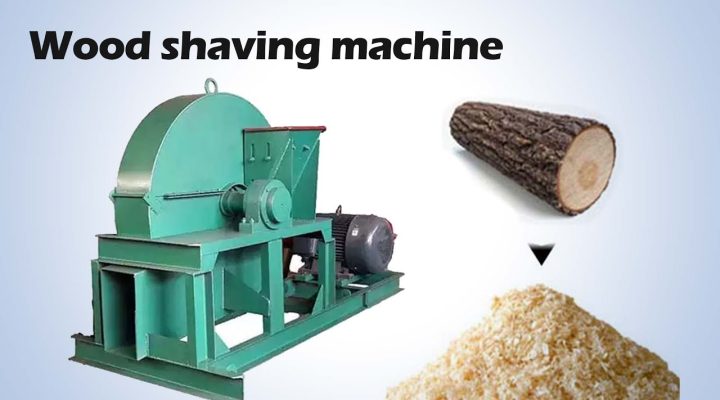
3.2 Drum Wood Shaving Machine
Drum wood shaving machines are designed for large-scale production (10-50 tons per hour)—the kind I recommend for clients with big output goals. They use a rotating drum with embedded blades to handle large, irregular raw materials like whole logs or thick branches. Here are the advantages I’ve observed for animal bedding production:
High Production Capacity: These machines are ideal for large-scale plants supplying commercial livestock farms or animal bedding distributors—they can keep up with high demand.
Raw Material Versatility: One of the biggest perks, in my book, is that they can process a wide range of wood waste for animal bedding types and sizes—hardwood, softwood, wood scraps, you name it. This flexibility helps reduce raw material costs.
- Durability: They’re built with heavy-duty components that can handle continuous operation. For large enterprises, this makes them a long-term investment worth making.
Who should choose a drum machine? Based on my client base, large-scale wood shaving production plant, farms with high bedding demand, or plants near forest areas with abundant animal bedding raw materials. The key keyword here is industrial wood shaving machine for livestock bedding.
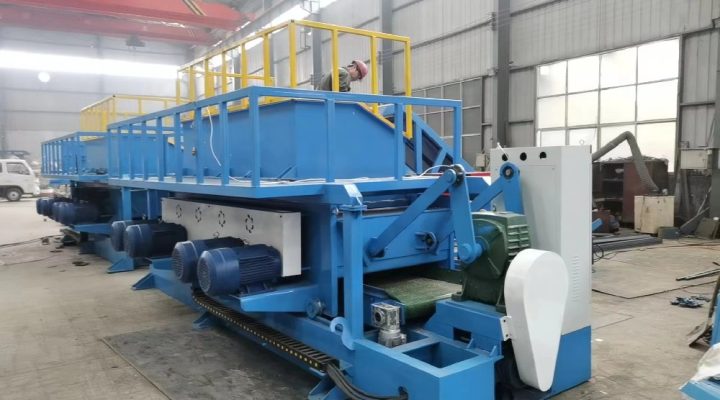
3.3 Key Considerations for Machine Selection
When choosing a wood shaving machine for animal bedding, I always tell clients to consider these factors to align with their animal bedding business goals:
- Production Scale: First, figure out your daily or annual output target. From my experience, a small-scale plant (5-50 tons/day) can start with a disk machine, while a large-scale one (100+ tons/day) will need a drum machine.
- Raw Material Availability: Look at what raw materials you have access to. If it’s small wood waste like branches or scraps, a disk machine works. If you’re dealing with large logs or logging residues, go for a drum machine.
- Product Portfolio: If you plan to offer multiple bedding types (poultry, horse, cattle), pick a machine that lets you adjust particle size easily.
- Budget: Disk machines are more affordable (USD 5,000-30,000) for startups. Drum machines have a higher initial investment (USD 30,000-150,000), but for large-scale production, they’re more cost-effective in the long run—something I always point out to clients.
4. How to Optimize Your Wood Shaving Production Line for Animal Bedding
4.1 Raw Material Preparation
I always advise clients to sort and process wood waste for animal bedding before feeding it into the machine. Remove any metal debris, stones, or toxic wood. For large logs, use a wood chipper for animal bedding raw materials to reduce their size—10-20 cm for disk machines, up to 50 cm for drum machines. This step doesn’t just improve machine efficiency; it also extends blade life, saving you money.
4.2 Drying and Screening
As I mentioned earlier, moisture control is crucial. If your wood shaving machine for animal bedding doesn’t have a built-in dryer, invest in a kiln dryer for wood shavings to get the moisture content to the optimal range. After shaving, use a vibrating screen for animal bedding wood shavings to separate shavings by size—this ensures uniform quality and removes any remaining impurities. It’s a step that pays off in customer satisfaction.
4.3 Storage and Packaging
Store dried animal bedding wood shavings in a dry, well-ventilated warehouse to prevent moisture absorption—this is a common mistake I see new plants make. Use moisture-proof packaging like woven bags or plastic-lined bags for retail or bulk sales. And don’t forget to label packages clearly with product details (particle size, wood type, moisture content)—it helps attract animal bedding buyers.

5. FAQ: Your Guide to Choosing and Using Wood Shaving Machines for Animal Bedding
Below are 10 of the most common questions I get from investors in the animal bedding wood shaving industry. If you have more personalized questions, feel free to contact Huaxin’s professional team—they’ll give you tailored answers and customized animal bedding production solutions.
Q1: Which wood species is best for producinganimal bedding wood shavings?
A: From my experience, softwood species like pine and fir are the best choices. They’re low in toxicity, highly absorbent, and have low dust content. I always warn clients to avoid toxic woods like cherry and black walnut. Huaxin can help you assess your local wood resources and recommend the best raw materials for your production. Contact us now for a free resource evaluation.
Q2: Can a single wood shaving machine for animal bedding produce different particle sizes for various animals?
A: Yes! Most of Huaxin’s wood shaving machine for animal bedding models have adjustable blades and screens—something I’ve seen work really well for clients who want to serve multiple markets. You can easily switch between fine, medium, and coarse shavings. Contact us to learn more about these adjustable features.
Q3: What is the production capacity of a small scale wood shaving machine for poultry bedding?
A: Based on the small-scale disk machines I’ve recommended to startups, Huaxin’s model has a production capacity of 0.5-5 tons per hour—perfect for new businesses or small poultry farms. They can also customize machines with higher capacities if you need them. Get in touch with us for a free quote tailored to your production target.
Q4: Do I need a separate kiln dryer for wood shavings in animal bedding production?
A: It depends on the moisture content of your raw materials—this is a question I get all the time. If your wood waste has more than 20% moisture, I recommend pairing the wood shaving machine with a kiln dryer to ensure quality. Huaxin offers integrated production lines that include both shaving and drying functions. Contact us to discuss the best configuration for your raw materials.
Q5: Are Huaxin’s wood shaving machines compliant with international safety standards?
A: Absolutely! All of Huaxin’s industrial wood shaving machine for livestock bedding models are CE and ISO certified—something I verify with clients who plan to export. They meet strict international quality and safety standards, and Huaxin provides complete certification documents for export. Contact us to get the latest certification information.
Q6: How long is the warranty period for Huaxin’s wood shaving machines?
A: Huaxin offers a 1-year warranty that covers parts and labor for all wood shaving machines—this is a standard I’ve come to expect from reliable manufacturers. During the warranty period, they provide 24/7 technical support and on-site maintenance if needed. Contact their team today to learn more about their after-sales service policy.
Q7: Can Huaxin customize a wood shaving production line for my specific needs?
A: Yes! Customization is one of Huaxin’s strengths—something I’ve seen benefit many of my clients. Whether you need a small-scale line for poultry bedding or a large-scale one for equine and livestock bedding, they can design a production line based on your raw materials, capacity needs, and budget. Contact them to share your requirements and get a customized plan.
Q8: What is the power requirement for a high-efficiency wood shaving machine?
A: From the machines I’ve worked with, small-scale disk models need 11-37 kW, while large-scale drum machines require 55-90 kW. Huaxin’s technical team can assess your local power supply and recommend the right machine for you. Contact them for a free on-site inspection and power evaluation.
Q9: How often do I need to replace the blades of the wood shaving machine?
A: Under normal operation, Huaxin’s alloy steel blades last 3-6 months for disk machines and 2-4 months for drum machines—this depends on how hard your raw materials are, something I always remind clients. They provide high-wear-resistant replacement blades and maintenance guidance. Contact them to order genuine spare parts and get useful maintenance tips.
Q10: How can I get a free quote for a wood shaving machine for animal bedding?
A: It’s easy! Just contact Huaxin’s sales team via email, phone, or their official website. Share details about your production capacity, raw material type, and target product (like poultry or horse bedding), and they’ll send you a detailed free quote within 24 hours. Don’t miss this chance to start your profitable wood shaving business—contact them now!
Start Your Profitable Animal Bedding Business with the Right Machine
From my years in the industry, I firmly believe investing in a wood shaving machine for animal bedding is a smart move for entrepreneurs looking to tap into the growing animal husbandry industry. The key to success, as I’ve told many clients, is focusing on animal bedding wood shavings quality (particle size, moisture content, safety) and choosing the right machine type (disk or drum) based on your wood shaving production scale. Do that, and you’ll build a successful business.
Huaxin is a professional wood processing equipment manufacturer I’ve recommended to many foreign investors over the years. They’re committed to providing high-quality, customizable wood shaving machine for animal bedding for global clients. What I like about their machines is that they’re designed specifically for animal bedding production—ensuring high efficiency, consistent products, and compliance with international animal bedding standards. Whether you’re a startup or a large enterprise, they have the right solution to help you succeed.
Contact Huaxin today to get a free consultation, a customized animal bedding production line design, and detailed wood shaving machine product information. Let them be your trusted partner in the animal bedding wood shaving industry—I’ve seen them help countless investors get their businesses off the ground!