Table of Contents
If you’re an entrepreneur like me who’s been hunting for a low-risk, high-potential business in the biomass space, let me tell you straight: starting a wood powder processing plant was one of the best decisions I ever made. The global wood powder market is booming—projected to hit $19.5 billion by 2026 and grow at 8.5% annually through 2030—and the demand for high-quality wood powder across construction, plastics, and renewable energy? It’s not just rising—it’s exploding. But here’s the thing I learned the hard way: success isn’t just about jumping in. It hinges on mastering the wood powder production process, picking the right wood processing equipment, and really understanding how the market works. In this guide, I’m sharing everything I wish I’d known before starting my plant—step-by-step processes, hard-earned insights for wood powder plant startup success, and why Huaxin Machinery’s wood powder grinder and wood chipper became the backbone of my operation (spoiler: they saved me tons of time and money).
What Is Wood Powder and Why Is It in High Demand?
Let’s start with the basics—no jargon, just straight talk. Wood powder is simply fine particles made by grinding up wood materials: logs, branches, bark, wood scraps, even sawdust from local furniture shops. I’ve found its particle size usually ranges from 40 mesh to 200 mesh, and different wood powder fineness levels are non-negotiable for different wood powder applications. Unlike some other biomass materials that are finicky or hard to sell, wood powder is versatile, biodegradable, and cheap to produce—no wonder it’s a go-to raw material for so many industries as a biomass wood powder option. When I first started, I was shocked at how many businesses were begging for consistent supplies.
From my experience, these are the sectors driving the global demand forwood powder:
- Construction and Decoration: Eco-friendly composite panels (MDF, particleboard) and non-formaldehyde additives rely heavily on it. I supply three local panel factories now, and their demand for wood powder for composite panels has grown over 10% year-over-year.
- Plastic and Rubber Industry: Wood powder for wood-plastic composites (WPC) is huge for outdoor furniture and automotive interiors. I landed a WPC client last year, and their orders alone boosted my revenue by 12%.
- Renewable Energy: Wood powder for biomass pellets is a clean coal alternative—biogas plants are some of my most reliable customers.
- Chemical and Daily Necessities: Mosquito coils, cat litter, coatings—all use fine wood powder for high-precision applications. It’s a niche, but it pays well.
- Emerging Fields: Nanoscale wood powder for 3D printing and biodegradable electronics? I’m just dipping my toes in this, but it’s clear wood powder uses are only expanding.
Here’s the kicker for fellow entrepreneurs: this business has a super low entry barrier, raw materials are everywhere (I’ll get to that), and demand is stable. With the right wood powder production process and small wood powder plant equipment, even rural entrepreneurs (like me—I started in a small town outside the city) can launch with minimal investment and make solid wood powder profit. I know guys who process just bark and wood scraps through wood waste recycling for powder and pull in $57,000 a year—no fancy setup, just consistent work.
Key Preparations for Starting a Wood Powder Processing Plant
Before I bought my first grinder, I made a ton of mistakes—wasting money on the wrong raw materials, picking a bad site, you name it. Trust me: proper preparation before diving into the wood powder production process will save you thousands. Here are the essential steps every wood powder plant startup entrepreneur needs to take to launch a successful wood powder processing business—I live by these now.
1. Market Research and Target Positioning
First rule: don’t make wood powder “just because.” You need to know who’s going to buy it and what they need. Different wood powder applications require wood powder with specific wood powder fineness, raw material type, and purity—this isn’t optional. Here’s what I’ve learned from my clients:
- Paper mills and composite panel factories? They want 40-80 mesh wood powder for paper making and composite panels, and moisture content has to be below 15% (I once lost a client because a batch was too damp—never again).
- Biomass pellet producers? 80-120 mesh sawdust powder for biomass pellets, preferably pine or hardwood (pine has a higher calorific value, so they’ll pay more).
- Chemical and high-end buyers? 120-200 mesh fine wood powder for chemicals with zero impurities—this stuff commands a premium, but you have to be precise.
My best tip: Pick up the phone and call local furniture factories, biomass power plants, and WPC makers. Ask them what they buy, how much they pay, and what their pain points are (most will complain about inconsistent suppliers—your in!). According to my own records, dry wood powder sells for $80-$175 per ton, and pine wood powder always gets top dollar.
2. Raw Material Sourcing
Abundant, cheap raw materials are the lifeblood of a profitable wood powder plant. You don’t need to buy expensive logs—waste is your friend. These are the wood powder raw materials I use (and recommend):
- Wood processing waste: Sawdust, wood scraps, bark, and offcuts from local furniture factories and lumberyards. This is gold for wood waste to powder recycling—most shops will give it to you for free or super cheap (I pay $20/ton max for scrap from a nearby furniture plant).
- Agricultural and forestry waste: Branches, tree trunks, bamboo, corn stalks—even peanut shells. These are cost-effective biomass raw materials for wood powder, especially if you’re in a rural area (I collect branches from local farmers after harvest—they’re happy to get rid of them).
- Recycled materials: Waste plywood, MDF, old furniture (just remove metal and plastic first). This is sustainable recycled wood for powder production, and it works great for lower-grade applications like biomass pellets.
The biggest cost saver? Source wood powder raw materials locally. I used to drive 50 miles to pick up scrap until I realized there were three lumberyards within 10 miles of my plant—total game-changer. For example, I collect branches and bark from a local forestry operation for $40-$60 per ton, which makes low-cost wood powder production a breeze. Always sign long-term contracts with your suppliers (even if it’s a handshake deal with a local farmer)—you need consistent supply to keep your wood powder processing running smoothly.
3. Factory Site Selection and Permits
Picking the right site for your wood powder processing plant is more important than you think. I made the mistake of starting in a garage first—bad ventilation, no room for trucks, and the neighbors complained about dust. Here’s my checklist for wood powder plant site setup:
- Proximity to raw materials: Cut transportation costs by locating near lumberyards or forested areas. My current plant is 2 miles from a lumberyard—saves me hours of driving and hundreds in gas to source wood powder raw materials.
- Power supply: You need 3-phase electricity (380V) to run your wood powder grinder, wood chipper, and dryers. I had to upgrade my power supply when I first started—cost me $1,500, but it was worth it (don’t skip this!).
- Environmental compliance: Good ventilation is a must for dust control. Invest in dust collectors for wood powder plants—I use two Huaxin dust collectors, and they keep my emissions within local standards (no fines, no angry neighbors).
- Accessibility: Make sure large trucks can get in and out—you’ll need them for raw material delivery and finished wood powder pickup. My first site had a narrow driveway—trucks couldn’t fit, and I had to unload everything by hand. Never again.
Permits can be intimidating, but they’re manageable—especially for small plants. Here’s what you’ll need for wood powder plant startup:
- A business license (individual or small enterprise) for your wood powder processing business (I got mine online in 2 days).
- Environmental impact assessment (EIA) or record filing for environmentally compliant wood powder production (local authorities walked me through this—just be honest about your dust control plans).
- Fire safety inspection certificate (critical—dry wood powder is flammable! I installed extra fire extinguishers and passed on the first try).
- Electrical safety approval for your wood processing equipment (an electrician can help with this).
My advice: Call your local government office and ask for a checklist. Most small wood powder plants get all permits within a month if they’re compliant—don’t overcomplicate it.
4. Equipment Investment Planning
Wood processing equipment is your biggest and most important investment. Skimping on this will ultimately lead to painful consequences such as downtime, production stoppages, and substandard product quality—a lesson I learned from my own mistakes. For startups, a complete wood powder production line doesn’t need fancy configurations; reliability is the key. Before finally choosing Huaxin Machinery, I visited dozens of equipment suppliers, and this proved to be one of the wisest decisions I made on my entrepreneurial journey. As a leading wood powder equipment supplier, Huaxin Machinery focuses on tailoring solutions for small and medium-sized factories like ours, providing low-energy consumption, high-capacity, and easy-to-maintain wood powder production lines. Their Huaxin wood powder crusher and Huaxin wood chipper are truly industry benchmark products—my equipment has been running stably for three years without any malfunctions (hopefully it will continue to be so).
Below is a list of the core equipment for my small wood powder factory (daily output 5-10 tons)—with these, you can smoothly start your wood powder processing project:
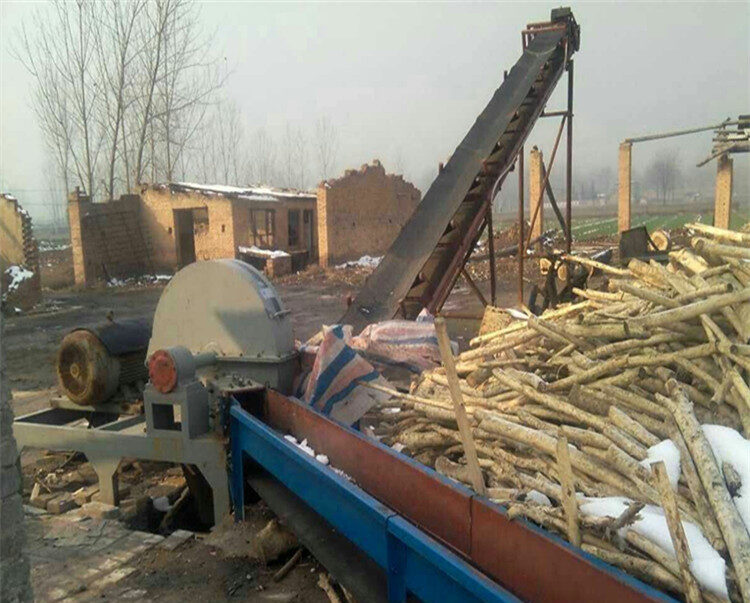
- Wood Chipper: Its core function is to process logs and branches into 2-5 cm wood chips. Huaxin’s high-efficiency wood chipper boasts an hourly output of 0.5-15 tons and is equipped with durable alloy blades (which I only need to sharpen every 6 months). Whether for pre-treatment of raw materials or ensuring efficient subsequent processing, it’s an ideal choice in the wood chip production process.
- Wood Crusher: Responsible for crushing wood chips into coarse wood powder, laying the foundation for subsequent fine grinding.
- Dryer: Reduces the moisture content of the wood powder to below 15%, a crucial step in ensuring product quality. It prevents customer complaints and lost orders due to damp wood powder and significantly improves the quality
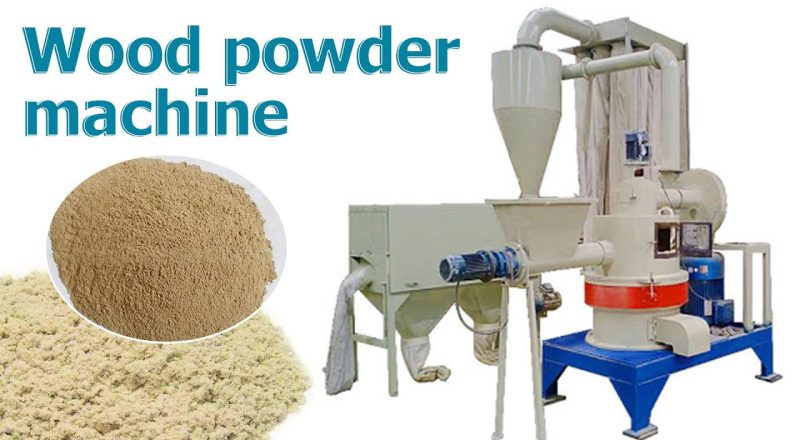
- Wood Powder Machine
: Employs a six-ball grinding structure, combining cutting and impact crushing functions. The fineness can be flexibly adjusted between 40-200 mesh, perfectly adapting to the needs of various wood powder applications. I routinely switch between 80 mesh (for biomass pellet production) and 120 mesh (for chemical product processing) according to order requirements, making operation very convenient. - Dust collectors for wood flour plants: These not only maintain clean air in the factory area, ensuring smooth environmental inspections, but also protect the health of employees (I place great importance on this – higher employee satisfaction and lower turnover rates lead to more stable factory operations).
- Conveying and storage equipment: This significantly reduces labor input (my factory only has two employees, and this type of equipment is practically a necessity for small-scale wood flour processing), improving overall production efficiency.
- Auxiliary tools: Screens for wood flour fineness grading, packaging machines, and basic maintenance tools (wrenches, sharpeners, etc. – always have them on hand for timely repairs).
The investment budget for a small wood flour plant ranges from $28,000 to $43,000, covering the complete set of wood flour production equipment, site renovation (I spent $5,000 renovating an old warehouse, which was very cost-effective), and initial raw material procurement. Thanks to standardized operational management and optimized wood flour production processes, I recouped my entire investment in just eight months – much faster than initially expected, mainly due to the stable profitability of the wood flour business. Here’s a key piece of advice for entrepreneurs: Don’t take on excessive debt to start a business. It’s advisable to start small and gradually expand production once you’ve built a stable customer base and have sufficient cash flow. This is a more prudent approach.

Detailed Wood Powder Production Process: Step-by-Step Operational Guide
The wood powder production process isn’t high-tech, but its core lies in stable processes and meticulous detail control—cutting corners in even one link will directly affect product quality and ultimately lead to customer loss. Combined with my years of hands-on experience, I’ve broken down the complete production process into 7 core links, each with clear operating standards and pitfalls to avoid. Following this process will ensure stable wood powder quality and efficient production—even beginners can get started quickly:
Step 1: Raw Material Pretreatment
I used to skip pretreatment of wood flour raw materials to save time—a huge mistake! Dull shredder blades, contaminated wood flour, equipment malfunctions—all these problems plagued me. Now I follow this pretreatment process daily, which protects my wood processing equipment and improves the purity of my wood flour:
- Sorting: Remove metal, plastic, stones, and dirt from the raw wood flour. I now sort manually (two workers can sort 2 tons of raw materials per hour), and this time is well spent—metal can directly damage the blades of the wood flour shredder (I once bent the blades of my first shredder because of a nail, and it cost me $200 to replace them—a very painful lesson).
- Cutting: Cut large logs, thick branches, and large scraps into small pieces no more than 20 centimeters in diameter—this allows them to smoothly enter the wood chipper. I use a chainsaw for cutting, which is fast and convenient.
- Washing (Optional): If the raw material is particularly dirty (such as bark that has fallen on the ground), wash it first and then let it dry. I only do this step for high-end orders—contaminated wood flour will be rejected outright by chemical clients.
My advice for small wood flour plants: Initially, manual sorting is sufficient. Later, as the scale expands, invest in a magnetic separator for automatic iron removal—this will save a lot of time and significantly improve wood flour production efficiency.
Step 2: Chipping (Primary Crushing)
Chipping (primary crushing) is the process of turning large pieces of wood flour into smaller chips—this step improves the efficiency of subsequent wood flour pulverization and reduces manual labor. At this stage of wood flour production, I rely entirely on a wood chipper. Here are some operating tips:
- Feeding: Place the pre-treated raw material into the chipper’s feed hopper—do not overfill (I once overfilled it, causing the machine to jam and taking an hour to repair). Huaxin wood chippers have a forced feeding function, which prevents jamming and ensures stable chip production.
- Cutting: The chipper’s alloy steel blades cut the raw material into uniform 2-5 cm chips—this size is ideal for subsequent pulverization. I check the blades weekly—dull blades can lead to uneven chip size, increasing the load on the pulverizer.
- Discharge: After exiting the chipper, the wood chips are directly fed into the pulverizer via a conveyor belt—no manual handling required, very convenient!
My core principle has always been to maintain the spindle speed at 1000-1500 rpm (according to the equipment manual) and to sharpen the tools every 6-8 weeks. Dull tools severely impact efficiency and increase energy consumption in wood flour processing—which is completely counterproductive.
Step 3: Secondary Crushing (Processing into Sawdust)
The core of this step is to process uniform wood chips into coarse sawdust (particle size about 20-40 mesh), laying the foundation for subsequent fine grinding. It is a key link connecting primary crushing and fine processing. I use Huaxin’s special wood shredder—it’s simple to operate and highly stable. The specific process is as follows:
- Stable Feeding: Slowly and uniformly feed the chipped wood chips into the shredder’s feed port, controlling the feeding speed to match the equipment’s production capacity to avoid motor overheating and equipment jamming due to too fast feeding.
- Crushing Operation: Use the cutting blades and impact hammers inside the equipment to crush wood chips into coarse sawdust. Huaxin’s equipment adopts a dual-crushing structure, which can ensure uniform sawdust particle size without large residue.
- Discharge Screening: The crushed materials are screened through a built-in coarse screen. Qualified coarse sawdust is directly sent to the drying link, while unqualified large materials are automatically returned for re-crushing, avoiding raw material waste.
Practical Tips: Check whether there are residual materials in the crushing cavity and whether the blades are tight before starting the machine every day to avoid equipment failure after startup. When processing hardwood raw materials, you can appropriately reduce the feeding speed to protect the blades from damage.
Step 4: Sawdust Drying
Moisture content is the “lifeline” of wood powder quality, and the drying link directly determines whether the sawdust moisture content meets the standard (eventually needs to be controlled at 8-12%). I once skipped drying to meet an order deadline, resulting in moldy sawdust, a large number of customer complaints, and finally the entire batch of goods being scrapped—it was a heavy loss. Now the drying link is a must. The specific operations are as follows:
- Uniform Feeding: Uniformly feed the coarsely crushed sawdust into the wood powder dryer (I use Huaxin’s energy-saving drum dryer). Avoid overfeeding, which will lead to uneven drying and excessive moisture content in some sawdust.
- Control Drying Parameters: Adopt hot air drying with the temperature set at 80-120℃ (I use a small biomass boiler for heating, which is 30% cheaper than using electricity). Adjust the dryer speed to allow the sawdust to be fully heated in the drum, ensuring uniform moisture content in each batch of sawdust.
- Cooling and Discharging: The dried sawdust has a high temperature and needs to be sent to a cooling bin to cool to room temperature before entering the subsequent grinding link—avoiding hot sawdust absorbing moisture from the air, which will cause moisture content to rebound and make the drying work useless.
Energy-Saving Tip: Small wood powder plants can use solar dryers or recover waste heat from biomass boilers for drying, which can greatly reduce energy costs. Test the moisture content of dried sawdust every day (using a simple moisture meter that costs only tens of dollars) to ensure it meets the standard before proceeding to the next step.
Step 5: Grinding (Fine Processing)
Grinding is the core link that determines the final fineness of wood powder and its adaptability to different application scenarios. It directly affects product price and customer satisfaction. I use Huaxin’s six-ball grinding wood powder grinder, which integrates cutting and impact crushing functions, with flexibly adjustable fineness. The specific operations are as follows:
- Preliminary Preparation: Replace the corresponding screen according to customer order requirements (40-80 mesh for composite panels and papermaking; 80-120 mesh for biomass pellets; 120-200 mesh for chemical products) to ensure the grinding fineness meets the standard.
- Stable Feeding: Slowly feed the cooled and dried sawdust into the grinder’s feed port, keeping the feeding speed stable to avoid equipment jamming and motor overload due to too fast feeding, while ensuring uniform grinding particle size.
- Fine Grinding: Use the six-ball grinding structure and high-speed rotating rotor inside the grinder to finely grind the sawdust. At the same time, use air flow separation technology to separate wood powder that meets the fineness requirements, and coarse particles are returned for re-grinding.
Practical Tips: Observe the equipment operation status throughout the grinding process. If there is abnormal noise or vibration, stop the machine immediately for inspection. Clean the grinding cavity and screen every day after work to avoid residual materials caking and affecting production efficiency the next day.

Step 6: Screening and Classification
After grinding, screening and classification are a must to ensure that the fineness of each batch of wood powder fully meets customer requirements and prevent unqualified products from entering the market. I use a vibrating screen for screening—it’s efficient and accurate. The specific process is as follows:
- Multi-Level Screening: Send the ground wood powder into a vibrating screen. According to the preset fineness standard (corresponding to customer order requirements), classify it through different specifications of screens to separate qualified wood powder and coarse particles.
- Return Material for Re-Processing: The coarse particles screened out are sent back to the grinder for re-grinding through a return pipe, realizing 100% utilization of raw materials and not wasting a single piece of material (wasting raw materials means reducing profits).
- Sampling Inspection: Manually test the fineness of the first batch of screened wood powder every day after starting work (using a standard screen for quick testing) to confirm the screen is working normally. Randomly sample and test every 2 hours during production to ensure stable quality throughout the process.
Maintenance Tips: Clean the vibrating screen mesh every day after production. Especially after processing high-moisture raw materials, the screen is prone to clogging. If not cleaned, it will seriously affect the screening efficiency and accuracy the next day.
Step 7: Packaging and Storage
Standardized packaging and storage can not only ensure the quality stability of wood powder (avoiding moisture, contamination, and combustion) but also facilitate subsequent transportation and delivery to customers. I once used low-quality packaging bags that caused wood powder leakage and moisture, leading to customer complaints. Now I strictly follow the standard process. The specific operations are as follows:
- Standard Packaging: Use waterproof woven bags for packaging, with specifications of 25 kg/bag (for small customers) and 50 kg/bag (for large customers). Each packaging bag must be clearly marked with: wood powder fineness, raw material type, moisture content, production date, and batch number. This not only meets industry standards but also makes customers more trustworthy.
- Safe Storage: Store packaged wood powder in a dry, ventilated, and cool warehouse, away from moisture, direct sunlight, and fire sources (dry wood powder is highly flammable—be sure to pay attention to fire prevention). The stacking height should not exceed 10 layers to avoid the bottom bags being crushed.
- Inventory Management: Establish a simple inventory account (no complex software required, a spreadsheet is sufficient) to record the production batch, quantity, and customer attribution of each batch of wood powder. Adhere to the “first-in, first-out” principle (deliver the earliest produced batches first) to avoid wood powder dampening and deterioration due to long-term storage.
Safety Tips: Equip one fire extinguisher for every 500 square feet in the warehouse and regularly check the effectiveness of the fire extinguishers. Prohibit smoking and using open flames in the warehouse to eliminate potential safety hazards.
Core Tips for Successful Wood Powder Processing Entrepreneurship
Starting a wood powder plant isn’t just about understanding the wood powder production process—it’s more about knowing how to operate it. I’ve stepped on all the possible pitfalls. The following experiences are the keys that helped me get through difficult times and achieve profit growth. They can help you maximize wood powder profits and avoid the minefields ofwood powder plant entrepreneurship:
1. Choose the Right Equipment Supplier
Wood processing equipment is your biggest investment—never buy cheap no-name products. I once spent $5,000 on an unknown grinder that frequently broke down. Finally, I switched to Huaxin Machinery, which was the best decision I ever made. Reliable wood powder equipment suppliers like Huaxin are worth prioritizing. My personal experience can prove the following points:
- Customized Solutions: Based on my production capacity (10 tons/day), budget, and wood powder application needs (mainly for pellets and composite panels), Huaxin tailored a wood powder production line for me. They won’t sell you equipment you don’t need—this is very honest.
- High-Quality Equipment: Huaxin’s wood powder grinders and wood chippers use high-strength alloy steel blades and durable motors. I’ve used them for three years with extremely low maintenance costs (only regular blade sharpening and bearing lubrication are needed). Forsmall wood powder plants, downtime means losing money—Huaxin’s equipment rarely breaks down.
- Comprehensive After-Sales Support: Once, I was working until 8 PM when the grinder suddenly jammed. I called Huaxin’s after-sales service, and the technician guided me to solve the problem over the phone—completely free of charge. They also provide free equipment installation, commissioning, and operation training. For entrepreneurs, this kind of support is invaluable; it can ensure the continuous operation of the wood powder processing plant.
- Cost-Effective: Huaxin’s energy-saving wood powder grinders (small models with power of 7.5-37 kW) save 10-15% more electricity than my previous old machine. Every year, I can save hundreds of dollars just on electricity bills for wood powder processing. Cheap equipment may seem affordable, but the later maintenance and energy costs are higher—be sure to invest rationally.
2. Strictly Control Raw Material and Operational Costs
Profit in this industry doesn’t come from price increases, but from cost control. I used these methods to optimize the costs of my wood powder processing plant and saved $10,000 last year alone:
- Raw Material Costs: Insist on purchasing local, low-cost wood powder raw materials (bark, offcuts, branches). Sign long-term contracts with suppliers to lock in prices—avoiding the impact of raw material price increases on the stability of wood powder production. I signed a 2-year supply agreement with a local sawmill, and I feel very secure.
- Energy Costs: Choose energy-saving wood processing equipment (Huaxin’s equipment is really excellent in this regard). In addition, try to operate grinders and dryers during off-peak electricity hours (the off-peak period in my area is from 10 PM to 6 AM). This can greatly reduce the energy costs of wood powder crushing and drying.
- Labor Costs: A small wood powder plant only needs 2-3 employees—train them to be multi-skilled (feeding, screening, packaging). My two employees can run the entire factory alone—no need to hire extra people, saving more than $30,000 a year in wood powder processing labor costs. Cross-training is very important; if someone takes leave, others can step in.

3. Focus on Product Quality
In this industry, quality = repeat customers = stable profits. High-quality wood powder can be sold at a higher price, and customers will abandon those low-price but unstable suppliers to choose you. I have built my reputation as a wood powder supplier through these strict wood powder quality control measures:
- Before processing, test the moisture content and impurity content of wood powder raw materials—poor raw materials will definitely lead to poor finished products. I use a simple moisture meter that costs tens of dollars to test every batch of raw materials.
- Check wood processing equipment (blades, screens) every day—dull blades and clogged screens will lead to unevenwood powder fineness. I spend 10 minutes checking the equipment every morning—preventing problems is cheaper than remedying them afterward.
- Before delivery, test the fineness, moisture content, and purity of the finished wood powder—ensure it meets the wood powder quality standards every time. I also regularly send free samples to customers—trust is built this way.
- For export, be sure to obtain certifications: I am currently applying for FSC certification—with this certification, I can enter the European market, where the price of wood powder is 20% higher than local prices. Certifications can increase product value and market access thresholds—it’s definitely worth the time and cost.
4. Build Stable Sales Channels
No matter how good the quality of your wood powder is, it’s useless if no one knows about it. Don’t wait for customers to come to you—take the initiative to build wood powder sales channels for your wood powder processing business. These methods have worked well for me:
- Prioritize Developing Local Customers: Establish cooperation with surrounding furniture factories, biomass power plants, and WPC producers, and sign long-term supply contracts—this can ensure stable wood powder orders. When I first started my business, I cold-called 10 local factories, and finally 3 became my long-term customers (accounting for 50% of my current revenue).
- Do Simple Online Marketing (No Need to Be Complex): Build a basic website (I use Wix, $10 a month) and optimize SEO keywords like “wood powder supplier” and “wood powder production equipment”. Post videos of the production process on Facebook and Instagram (customers love watching how wood powder is produced)—I receive 1-2 inquiries online every week.
- Join Industry Associations: Join local biomass or wood processing associations—they hold exchange meetings where you can meet potential customers andwood powder raw material suppliers. My largest WPC customer was met at an association exchange meeting—the annual membership fee of $50 is well worth it.
- Do Export When Conditions Permit: The European and North American markets have strong demand for eco-friendly wood powder. Be sure to ensure that products meet international wood powder quality standards (EU environmental requirements are very strict, but you can enter as long as you comply). I have just started trying export, starting with small batches of trial orders, and will gradually expand the scale later.
5. Attach Importance to Safety and Environmental Compliance
Fines, shutdowns, and safety accidents—any of these can ruin your wood powder plant. I have always attached great importance to wood powder production safety and compliance. These are my core practices:
- Safety Measures: Install one fire extinguisher for every 500 square feet. My 2,000-square-foot factory is equipped with two wood powder plant dust collectors, and each piece of equipment is equipped with an emergency stop button. Train employees to master the safe operation specifications of wood processing equipment (do not wear loose clothes, and must wear goggles and masks when crushing wood powder). I hold safety meetings every month—although boring, they can avoid accidents.
- Environmental Measures: Use high-efficiency dust collectors to control dust pollution from wood powder production (inspectors value this very much). If wastewater is generated from cleaning raw materials, it must be treated before discharge—I use a simple filtration system. Recycle waste (send coarse particles back to the grinder for reprocessing)—this not only reduces waste but also achieves sustainable wood powder processing (customers also prefer eco-friendly suppliers).
FAQ: Common Questions About Wood Powder Production Entrepreneurship
These are the most frequently asked questions from other entrepreneurs—no fluff, just a summary of my practical experience:
1. What is the minimum investment required to start a wood powder processing plant?
For a small wood powder plant (daily output: 5-10 tons), the budget is about $28,000 to $43,000. This includes wood powder production equipment, factory renovation, and initialwood powder raw material procurement. I invested $32,000 initially and recouped my costs in 8 months. You can contact Huaxin Machinery—they will customize a budget plan according to your wood powder plant entrepreneurship needs—helping you avoid wasteful spending.
2. What raw materials are best for producing wood powder?
Pine, poplar, and hardwood offcuts are the most ideal wood powder raw materials (high calorific value, low impurities). Bark and branches are cheap and suitable for low-cost wood powder production. Never use damp or moldy raw materials—they will ruin the entire batch of products.
3. How to choose a wood powder grinder suitable for my factory?
The core depends on three factors: production capacity (tons per hour), wood powder fineness requirements (mesh), and raw material type. I use Huaxin’s adjustable grinder, which can handle both branches and sawdust. Their technical team will recommend the most suitable wood powder grinder according to your wood powder application needs—contact them now to get professional advice.
4. What is the approximate profit margin of a wood powder processing plant?
With proper operation and optimized wood powder production process, you can earn $27-$54 per ton. My small wood powder plant (daily output: 10 tons) has a monthly net profit of $5,400-$10,800—with stable wood powder profits, you can recoup your investment in 6-12 months. The key is to control raw material costs and retain repeat customers.
5. Do I need an environmental permit to start a wood powder plant?
Yes—you must conduct an Environmental Impact Assessment or file for registration to ensure environmental compliance of wood powder production (specific requirements vary by region). I called the local government at that time and clarified all the procedures in a week. Huaxin can also provide compliance guidance—contact them to avoid detours.
6. How to control the fineness of wood powder?
Adjust it by replacing the screen in the wood powder grinder. Huaxin’s grinder can adjust the fineness between 40-200 mesh—changing the screen only takes 10 minutes. You can ask them for a matching guide between screens and wood powder applications—they will provide it for free.
7. What is the best way to dry wood powder?
For small wood powder plants, wood powder drum dryers or air flow dryers are the most practical. Huaxin’s energy-saving wood powder dryer can control the moisture content at 8-12% without consuming much electricity—I have used it for several years without any problems. You can request their product manual, which contains detailed parameters.
8. Who can I sell the produced wood powder to?
Local furniture factories, biomass pellet plants, paper mills, and WPC producers are all core customers. I also sell some products to chemical suppliers for high-end orders.
9. How to maintain wood powder production equipment?
Sharpen the blades of wood chippers and wood powder grinders every 6-8 weeks, lubricate the bearings once a month, clean the screen every day, and check the motor every week. I do all these myself without hiring professional maintenance personnel. Huaxin provides free maintenance training and spare parts—book a consultation to learn many practical skills.
10. Can existing equipment process other raw materials such as bamboo and corn stover?
Absolutely! Huaxin’s wood powder grinders and wood chippers are highly versatile—I now also process bamboo and corn stover for local farmers. All biomass raw materials for wood powder can be processed. If you have special needs, Huaxin can also customize equipment—contact them to explain your wood powder production needs.
11. What is the delivery time for Huaxin’s wood powder production equipment?
Standard wood powder processing equipment can be delivered in 7-15 days, and customizedwood powder production lines take 20-30 days. The grinder I bought at that time was received in 10 days—faster than expected. You can contact them to confirm the delivery time of your order.
12. How to get a free quote for Huaxin’s wood powder production line?
Send your production capacity needs, wood powder fineness requirements, and budget to them via email or official website. Their technical team will provide you with a detailed quote and wood powder production line plan within 24 hours—no mandatory purchase requirements, just sincere advice.

Take Action Now: Start Your Wood Powder Profit Journey with Huaxin Machinery
To be honest, starting a wood powder processing business is really not easy. I made mistakes, worked overtime, and worried about cash flow. But now, this business is stable and profitable, giving me freedom and peace of mind. This industry has huge potential—demand is growing continuously, entry barriers are low, and wood powder profits are stable. What’s the key to success? Master the wood powder production process, choose the right wood processing equipment, and cooperate with a reliable supplier. For me, that supplier is Huaxin Machinery—they don’t just sell equipment, they helped me build the entire business from scratch. If you are also ready to take this step, trust me, you can succeed too.
Huaxin Machinery has more than 10 years of experience in producing wood processing equipment, focusing on providing customized wood powder production line solutions for wood powder plant entrepreneurs and small and medium-sized factories around the world. Their high-efficiency wood chippers, adjustable fineness wood powder grinders, energy-saving wood powder dryers, and complete wood powder production lines are all designed for entrepreneurs like us—reliable equipment, cost-effective, and able to help you maximize wood powder profits. They understand the hardships of entrepreneurship and will provide full support to accompany you through every step from startup to profitability.
Don’t wait for “everything to be ready”—there is never a perfect time to start a business. I started step by step with a limited budget, perseverance, and the support of Huaxin. Now, I have 8 stable customers and earn much more than when I was working. Seize the opportunity in the biomass industry and start your own wood powder processing plant. Contact Huaxin Machinery today to get a free quote, customized wood powder production line plan, and professionalwood powder plant entrepreneurship guidance. Let them help you turn wood waste into continuous wood powder profits—you won’t regret it.