
What Is a Wood Powder Factory, Exactly?
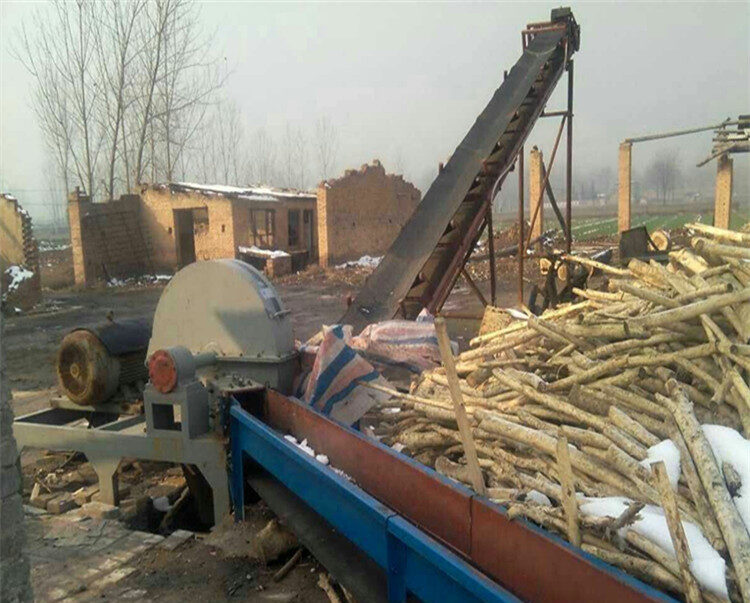
Before we talk about margins, let us be clear about the product. A wood powder factory grinds wood waste — sawdust, wood shavings, bark, branches, or wood chips — into fine powder of different mesh sizes (usually 20 mesh to 200 mesh). This powder is then sold to industries such as:
- Incense and mosquito coil manufacturing — the biggest buyer in Asia
- Wood-plastic composite (WPC) boards and decking
- Animal bedding and wood pellet additives
- Activated carbon production
- Paper, paint, and filler industries
Because the raw material is often waste wood, your raw material cost can be extremely low — sometimes near zero if you partner with sawmills. That is the foundation of the entire profit model.
The Real Cost Structure of a Wood Powder Factory
Profit margin is simply (Revenue − Cost) ÷ Revenue. So let us look at the real costs. Based on my experience operating a mid-size facility processing 10 tons per day, here is a typical cost breakdown per ton of 60-mesh wood powder:
| Cost Item | Cost per Ton (USD) | Share of Total |
|---|---|---|
| Raw material (waste wood/sawdust) | $30–80 | 25–35% |
| Electricity (grinding is power-hungry) | $40–70 | 25–35% |
| Labor | $25–40 | 15–20% |
| Packaging & bags | $10–20 | 5–10% |
| Machine wear parts (hammers, screens) | $10–25 | 5–10% |
| Transportation & other | $15–30 | 10–15% |
| Total cost per ton | $130–265 | 100% |
Now compare that to market prices. Standard 60–100 mesh wood powder sells for $220–350 per ton in most Asian markets, and higher grades (120–200 mesh, low moisture, screened) can reach $350–500 per ton for export. Industry analysis of similar powder manufacturing businesses shows typical margins in the 15–30% range depending on scale and efficiency — my own numbers above fall right inside that band, and I have seen well-managed plants push beyond it.
The Real Cost Structure of a Wood Powder Factory
Let me show you a realistic monthly calculation for a small factory with one hammer mill line, processing 200 tons per month:
- Revenue: 200 tons × $280 average price = $56,000
- Raw material: 200 × $50 = $10,000
- Electricity: 200 × $55 = $11,000
- Labor (6 workers + 1 manager): $7,000
- Packaging, wear parts, transport, misc.: $8,000
- Total operating cost: $36,000
- Monthly gross profit: $20,000
- Net profit after tax, rent, admin: roughly $12,000–15,000
That is a net margin of about 21–27%. A larger plant with 3–4 lines and direct export contracts can improve this to 25–30%, because electricity cost per ton drops and you skip middlemen. European research on lignocellulosic valorization even found gross profit value of up to €175 per tonne of wood waste processed — which confirms that wood waste-to-powder conversion can be genuinely profitable when the process is well designed.
The Real Cost Structure of a Wood Powder Factory
Not every factory hits these numbers. In my experience, these five factors separate the profitable plants from the struggling ones:
1. Raw material radius. If you must transport waste wood more than 50 km, your margin dies on the road. Locate your factory within 30 km of sawmills, furniture factories, or forestry operations. Ideally, they pay you to take their waste — or at least give it free.
2. Electricity price and machine efficiency. Grinding wood powder consumes serious power. A modern hammer mill with the right screen and knife design uses 20–30% less electricity per ton than old equipment. This single factor can swing your margin by 5–8 percentage points.
3. Mesh size and product mix. Coarse 20-mesh powder is a commodity; fine 120–200 mesh powder for incense or WPC is a specialty product with 40–60% higher prices. Smart factories produce both: coarse powder for volume, fine powder for margin.
4. Moisture control. Powder above 12% moisture spoils, clumps, and gets rejected. A cheap drying step (solar drying yards work well in sunny regions) protects your price premium.
5. Stable contracts vs. spot sales. Factories selling to one or two anchor buyers (incense manufacturers, WPC board plants) earn steady margins. Factories chasing spot traders get squeezed in every weak month.

Capital Investment and Payback Period
Here is what it costs to start, based on current machinery prices I have quoted in 2025–2026:
| Scale | Equipment | Total Investment | Payback Period |
|---|---|---|---|
| Small (1–2 t/h) | Hammer mill, dryer, dust collector | $15,000–40,000 | 8–14 months |
| Medium (3–5 t/h) | Full line + classifier + packaging | $50,000–120,000 | 12–20 months |
| Large (10+ t/h, export) | Multi-line automated plant | $200,000–500,000 | 18–30 months |
The payback period is one of the biggest attractions of this business. Compare that with most manufacturing businesses, where payback under 5 years is considered good.
Is the Wood Powder Business Still Profitable in 2026?
Yes — but the game is changing. Demand for eco-friendly materials keeps growing, and wood powder is a key raw material in WPC products, which the construction industry favors because they replace plastic. Meanwhile, stricter environmental rules on wood waste disposal actually help us: sawmills increasingly need partners to handle their waste, which lowers our raw material cost.
The risks? Energy price volatility, and competition from cheap low-quality powder. My advice: do not compete on price. Compete on consistency — stable mesh size, stable moisture, stable supply. Buyers will pay 10–15% more for a supplier they never have to worry about.
My Final Honest Take
A wood powder factory is not a get-rich-quick scheme, but it is one of the most reliably profitable small-to-mid manufacturing businesses I know. A realistic net margin of 15–25%, payback within 1–2 years, and growing demand from eco-materials industries make it attractive — if you control your raw material radius, your electricity cost, and your product quality.
Ready to Build a Profitable Wood Powder Factory?
Thinking about starting a wood powder business or upgrading your production line? At Huaxin, we don’t just sell machines — we help you design a profitable operation from day one. Contact our engineers now for:
✅ Free product catalog and detailed wood powder machinery specifications
✅ Custom production line design matched to your raw materials, capacity goals, and budget
✅ Transparent profit analysis — we will help you calculate your real cost per ton and expected margin before you invest
Contact Huaxin today and get a free customized solution + quotation within 24 hours.