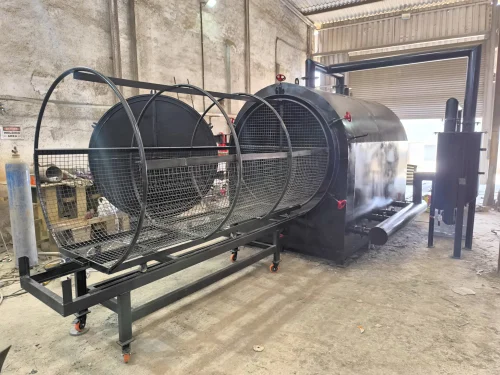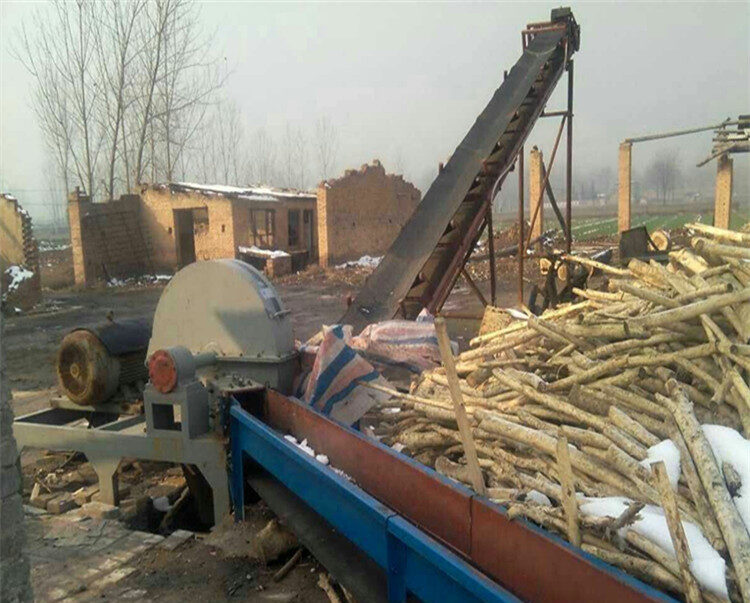
Last spring, I visited a small pellet workshop outside Zhengzhou. The owner, a former wheat farmer, told me something I have never forgotten: “The straw I used to burn in the field now earns me more money per ton than my crops did.” He was running a single small scale biomass pellet mill, processing corn stalks and sawdust into fuel pellets. His setup was simple — one machine, one shed, two workers — yet his monthly output reached 90 tons.
His story is not unusual anymore. Across rural areas, small factories are discovering that a biomass pellet machine is one of the most practical ways to turn agricultural waste into steady income. In this guide, I will share what I have learned from years of working with pellet mill equipment: how these machines work, how to choose a pellet mill for a rural factory, and how to avoid the costly mistakes I have seen too many buyers make.
Why Rural Factories Are Investing in Biomass Pellet Production
The logic is simple. Rural areas produce enormous amounts of agricultural waste: straw, rice husks, peanut shells, wood chips, and sawdust. For decades, this material was burned in fields or left to rot. Today, that same waste can be compressed into dense fuel pellets with a calorific value of around 4,000–4,500 kcal/kg — a clean-burning alternative to coal that industries and households increasingly demand.
Three trends are driving the growth of the biomass pellet business:
- Rising fuel prices make biomass fuel pellets economically attractive as a coal substitute in industrial boilers.
- Environmental regulations restrict open field burning, pushing farmers and local governments to find better waste recycling solutions.
- Government subsidies for biomass energy projects in many regions can cover 20–35% of equipment investment.
For a rural factory, this means raw material is essentially free or very cheap, biomass pellet demand is growing, and the entry cost of a pellet mill is lower than most people expect.
How a Small Scale Biomass Pellet Mill Works
The process behind how to make biomass pellets is more straightforward than it looks. Raw material — typically straw, sawdust, or husks — is first crushed and dried until the moisture content drops below 15%. Then it enters the pellet mill, where rollers press the material through holes in a die. The pressure and friction generate heat, which softens the natural lignin in the biomass. The lignin acts as a natural binder, so no chemical additives are needed. What comes out are dense, uniform biomass fuel pellets that are cooled, packed, and ready to sell.
There are two main machine designs to know before comparing pellet mill prices:
- Flat die pellet mills are compact, affordable, and easy to operate — a popular pellet making machine for farms with hourly output under 300 kg.
- Ring die pellet mills handle 500 kg to several tons per hour, offer better pellet quality and lower energy cost per ton, and are the standard choice for any factory planning continuous biomass pellet production.
In my experience, most rural factories that start with a flat die mill upgrade within a year. If your budget allows, starting with a small ring die pellet mill is usually the smarter long-term decision.
How to Choose the Right Pellet Mill: 5 Things I Always Check
Over the years, I have helped dozens of buyers evaluate biomass pellet machines for sale. Here is the checklist I use myself:
- Match capacity to your raw material supply. Do not buy a 2 ton per hour pellet mill if you can only secure enough material for half a ton. A machine running below capacity wastes electricity; one running above capacity breaks down.
- Check real energy consumption, not just the pellet mill price. The industry average is around 65 kWh per ton; efficient machines can get below 55 kWh. Over a year of production, that difference is worth far more than any discount on the pellet mill cost.
- Inspect the wear parts. The pellet die and rollers are consumables. Ask what material they are made of (high-carbon alloy steel is the minimum), how long they last, and what replacements cost. Cheap machines with soft dies become expensive very quickly.
- Verify certifications and test runs. Look for ISO 9001 and CE certified pellet mills, and never buy without seeing the machine run — ideally with your own raw material. A 30-minute trial tells you more than any brochure.
- Evaluate after-sales support. Ask about installation, operator training, spare parts delivery, and breakdown response time. In my experience, downtime costs more than almost anything else in this pellet production business.

Setting Up a Small Pellet Production Line: A Realistic Budget
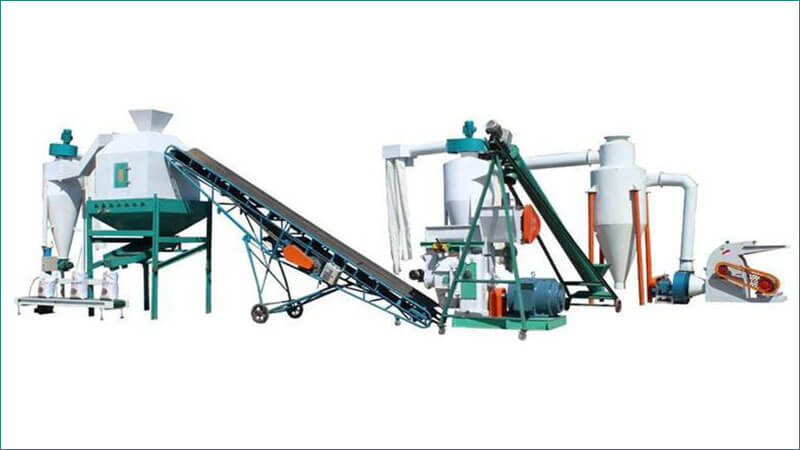
For a serious small-scale operation producing 1–2 tons per hour, a complete biomass pellet production line typically includes a hammer mill crusher, rotary dryer, pellet mill, pellet cooler, and packaging equipment. Depending on configuration, the cost of a small pellet mill plant generally falls between $20,000 and $80,000. Basic machines and manual packaging keep costs at the low end; automated lines push toward the higher end.
Raw material preparation matters more than most beginners realize. Material sized over 12 mm needs crushing, and moisture above 15% requires drying. Sawdust is the easiest feedstock — a sawdust pellet mill often needs no crushing at all — while straw and corn stalks require more preprocessing. Choose your pellet mill configuration based on what is actually available around you, not on an ideal scenario.
Mistakes I Have Seen Pellet Mill Buyers Make
The most common error is chasing the cheapest pellet mill for sale. I have visited factories where a “bargain” machine sat idle for months because it jammed constantly and the supplier had vanished. The second mistake is ignoring the raw material supply chain — a pellet machine without cheap, reliable feedstock is just scrap metal. Finally, many new owners underestimate pellet mill maintenance. Cleaning the die, checking roller clearance (0.1–0.3 mm is standard), and lubricating bearings on schedule will double your machine’s lifespan.
Frequently Asked Questions (FAQ)
1. How much does a small scale biomass pellet mill cost?
A complete small pellet production line typically costs between $20,000 and $80,000, depending on capacity, automation level, and configuration.
2. What is the best small scale pellet mill for beginners?
A flat die pellet mill is ideal for very small farms, but a small ring die pellet mill offers better long-term value for factories planning continuous production.
3. Can I make wood pellets from sawdust?
Yes. Sawdust is one of the best raw materials — a sawdust pellet mill often requires no crushing step and produces high-quality pellets directly.
4. What is the difference between a flat die and a ring die pellet mill?
Flat die pellet mills are cheaper and suited to small output; ring die pellet mills deliver higher capacity, better pellet quality, and lower cost per ton.
5. How to make wood pellets at home or on a farm?
Dry your material below 15% moisture, crush it to under 12 mm, then feed it into the pellet mill. The natural lignin binds the pellets with no additives needed.
6. How many tons can a small pellet mill produce per day?
A 1 t/h biomass pellet machine running 8 hours produces about 8 tons daily — roughly 240 tons per month.
7. What raw materials work in a biomass pellet mill?
Straw, sawdust, rice husks, peanut shells, corn stalks, bamboo powder, wood chips, and most dry agricultural and forestry waste.
8. How long do pellet mill dies and rollers last?
Quality alloy steel dies typically last 500–1,500 hours depending on material hardness. Always confirm replacement costs before buying.
9. Is a biomass pellet business profitable?
Yes. With cheap local raw materials, many small factories report payback periods of 10–18 months and growing demand from boiler users.
10. What power supply does a pellet mill require?
Most small ring die models need a 37–90 kW motor; confirm your local voltage and transformer capacity before ordering.
11. How much space does a small pellet production line need?
A complete 1 t/h biomass pellet production line fits in 300–500 square meters, including raw material storage.
12. What should I prepare before requesting a pellet mill quotation?
Know your raw material type, moisture content, target capacity, available power supply, and budget — this ensures an accurate, complete proposal.
Get Your Free Customized Pellet Mill Solution from Huaxin
alk to Huaxin’s Engineers Before You Buy Any Pellet Mill
Choosing the wrong machine can cost you a full production season — choosing the right one can change your business for a decade. At Huaxin, our engineers analyze your raw materials, capacity goals, and site conditions to design a biomass pellet production line that fits your budget and your local reality. From equipment selection and plant layout to installation, operator training, and lifelong technical support, we stay with you long after the sale.
Contact the Huaxin team now for a free raw material assessment, customized equipment proposal, and detailed quotation. Tell us what waste material you have — we will tell you exactly what it is worth.